Building Value in Staying Close
Walking your dog should feel calm, connected, and enjoyable for both of you. But for many families, it feels like a battle. Pulling. Zig-zagging. Constant tension on the leash.
So how do we move from frustration to flow?
The key is something called proximity value. It means teaching your dog that being near you is the best place to be.
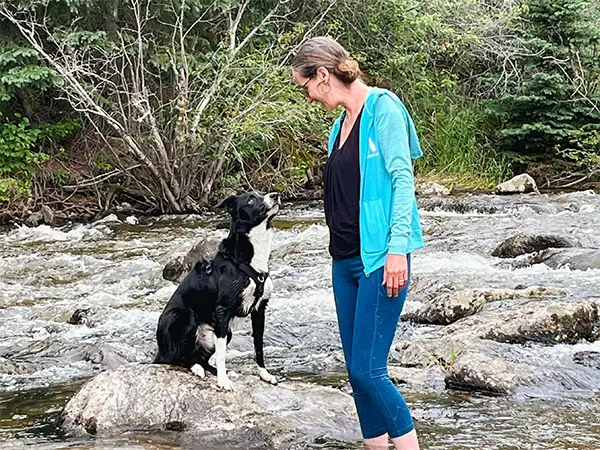
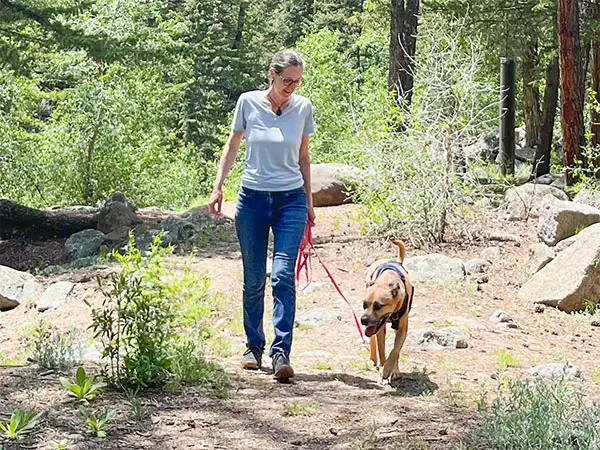
When your dog values closeness, they choose connection over chaos. They check in. They match your pace. They move with you instead of against you.
What Is Proximity Value?
Proximity value is built on a history of reinforcement for staying close.
The question shifts from “How do I stop the pulling?” to “How do I make walking beside me worth it?”
That shift changes everything.
How to Start Building Closeness
Reward Check-Ins
Every time your dog looks at you, moves toward you, or walks beside you, notice it. Mark it. Reward it. Those small moments build big habits.
Make Proximity Fun
Use treats, toys, praise, or permission to sniff. Mix it up so staying close always feels rewarding.
Practice Calm Together
Spend time in low-distraction environments just walking slowly and being present. Quiet practice builds trust as much as structured training does.
Over time, something beautiful happens. Your dog begins to choose closeness even when the world gets exciting.
That is connection-based walking.
If you want to understand the deeper philosophy behind this approach, visit our [Training Methods page] to learn how we build cooperation without force.
If pulling is connected to reactivity or big emotions, our [Reactivity and Behavior page] explains how emotional safety supports better leash skills.
Want Calmer Walks to Feel Normal?
If you are ready to turn walks into something you both enjoy, our Life Skills classes focus heavily on leash confidence, engagement, and real-world practice.
Explore our group classes and start building the value of staying close, one step at a time.
Loose leash walking is a partnership. And it starts with making closeness worth choosing.