A Kinder Way to Train Your Dog
When we think about dog training, it is easy to believe we need to control our dogs. After all, they are excitable, curious, and sometimes a little or a lot chaotic. Some training methods rely on tools like prong collars, choke chains, and e-collars. These devices are designed to stop behavior using pain, fear, or intimidation.
Here is the truth. Control does not create understanding. It creates compliance through fear or suppression.
Why Aversive Tools Do Not Work Long-Term
Aversive tools suppress behavior. They do not teach a dog what to do. They only teach what not to do, often leaving dogs confused or anxious. Even the sound of an e-collar can be painful and disorienting. Dogs hear at a much higher sensitivity than we do, and what seems minor to us can be overwhelming to them.
Trauma Is About the Pattern
Even if a dog does not shut down immediately, repeated exposure to aversive tools can lead to:
- Hypervigilance, where a dog is constantly alert and stressed
- Avoidance behaviors
- Fear-based aggression
- Loss of motivation and joy
- Learned helplessness
Aversive methods damage trust. When corrections come from the person a dog relies on for safety, it weakens the bond that makes learning possible.
They also create fallout. Many dogs trained with force-based methods develop fear, reactivity, or aggression. The unwanted behaviors are not resolved. They are buried, waiting to resurface. Subtle cues that a dog feels unsafe are often punished instead of understood.
What Connection Looks Like
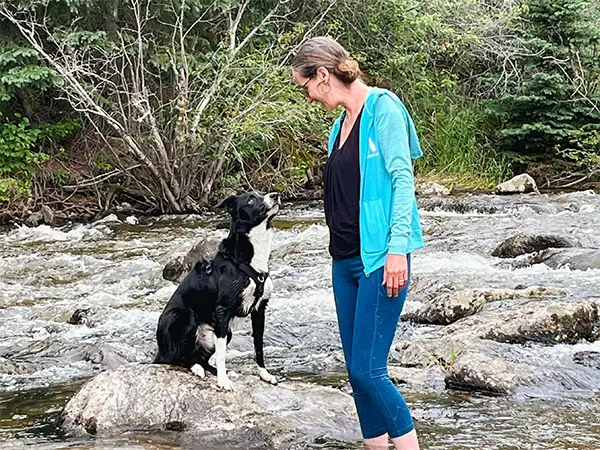
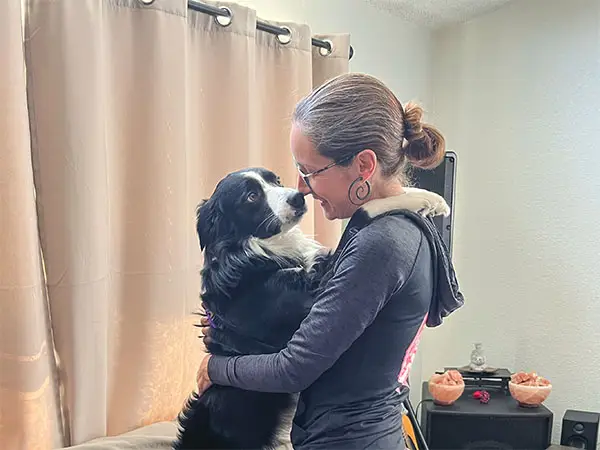
Connection-based training builds a partnership rooted in trust, safety, and joy.
- Games and play make learning fun while helping dogs practice optimism, confidence, focus, and flexibility.
- Relationship-first training puts communication at the center. It uses play and positive reinforcement to build cooperation and resilience. It focuses on meeting needs and creating a dog who wants to work with you.
- Understanding means asking why a behavior is happening and teaching better alternatives.
When your dog feels safe and supported, they choose to listen because they trust you.
The Takeaway
Control may create short-term results, but it often leaves long-term damage.
Choosing a relationship means raising a confident, joyful partner who wants to walk through life with you.
Our dogs want to be understood. Connection is how we get there.
Ready to Learn How to Connect with Your Dog?
At Cosmic Dog Training, we use fun, science-based games to help dogs develop confidence, focus, and a real partnership with you.