In dog training, lasting progress rarely comes from dramatic breakthroughs. More often, it’s the result of small, thoughtful steps that build on one another over time. This is the foundation of S.I.L.S., or Small, Incremental Learning Systems. It’s a structured way of approaching training that supports both dogs and the humans working with them.
The principles behind this framework align with well-established behavioral science, including positive reinforcement and operant conditioning. In these models, behavior becomes more likely when it’s followed by a desirable outcome.
Breaking Down S.I.L.S.
Small
Effective training begins with simplicity. Complex skills are broken down into manageable pieces so dogs can experience success early and often. Short sessions with focused goals reduce frustration, increase clarity, and help keep learning enjoyable for everyone involved.
Incremental
Progress is layered carefully. Each new step builds on a solid foundation, ensuring skills are reliable before additional challenges are introduced.
This reflects the principle of shaping, a behavior-analytic process in which successive approximations of a behavior are reinforced until the final goal is reached. Instead of expecting perfection all at once, learning unfolds gradually and sustainably.
Learning
Training isn’t a one-way exchange. Both dogs and handlers are constantly learning what motivates the dog, what needs adjustment, and how the environment influences success.
Emphasizing learning over perfection shifts the focus away from “getting it right” and toward continuous improvement, clearer communication, and shared understanding.
[INLINE LINK]
Link the phrase games-based, concept training here to
What Is Games-Based, Concept Training?
Systems
Consistency is where progress becomes reliable. Systems provide structure through routines, reinforcement strategies, and repeatable training games. When training follows clear and predictable patterns, guesswork is reduced.
This allows both dogs and humans to relax, focus, and succeed more efficiently. Reliable systems create confidence on both ends of the leash.
Why the S.I.L.S. Approach Works
The S.I.L.S. framework reflects how dogs actually learn. Research shows that dogs acquire behaviors through mechanisms such as operant conditioning, where the consequences of actions shape future responses.
When a behavior is followed by a positive outcome, it becomes more likely to recur. Positive reinforcement, including food, play, praise, or access to something the dog values, strengthens behaviors by making them worthwhile.
By resisting the urge to rush or skip steps, teams avoid common pitfalls that lead to confusion or regression. Progress may feel slower at first, but the results are far more durable.
[INLINE LINK]
Link positive reinforcement here to the Training Methods page.
Practical Applications
Recall Training
Begin in a low-distraction environment. Play short, engaging recall games for three to five minutes, or use multiple small food rewards for smaller dogs. Gradually expand to more challenging settings such as different rooms, the yard, the front of the house, and eventually public spaces as reliability grows.
Loose-Leash Walking
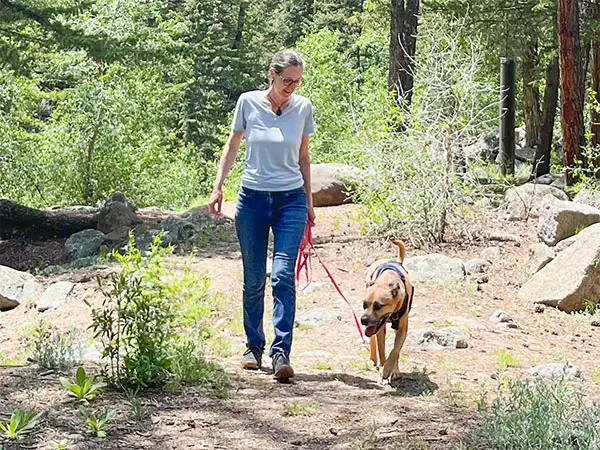
Start with just a few focused steps indoors, reinforcing position and engagement. As your dog succeeds, slowly introduce new environments and increasing levels of distraction.
Confidence Building
For sensitive or cautious dogs, introduce one simple challenge or game at a time. Pair success with a highly valued reward. Each positive experience builds emotional resilience and prepares the dog for more complex situations.
[INLINE IMAGE OPTION]
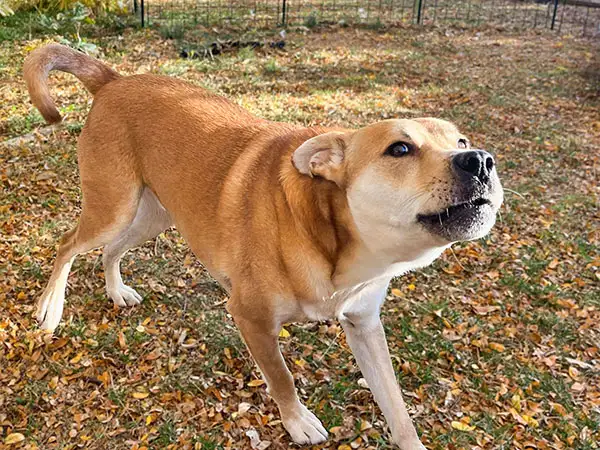
A calm dog navigating a new environment with relaxed body language. Optional placement after this section.
The Bigger Picture
S.I.L.S. is more than a training technique. It’s a mindset.
By prioritizing small steps within structured systems, trainers and guardians cultivate patience, precision, and partnership. The result isn’t just better behavior, but a stronger human–canine bond built on trust, clarity, and shared success.